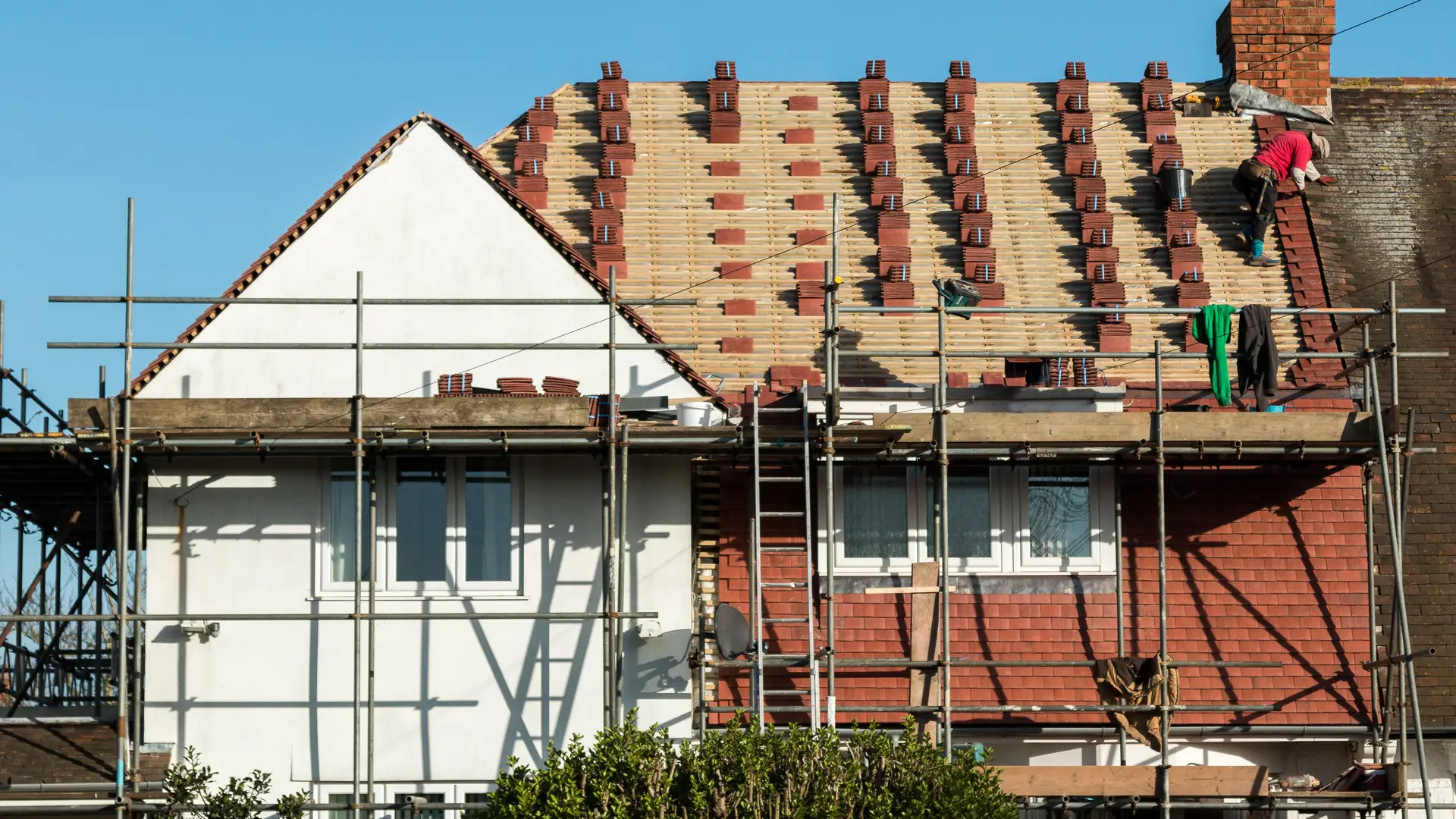
New Roofs across Greater London
New roofs and full re-roofs in tile or slate, built to current standards across Greater London.
Get a Free Quote for New Roofs
Start with your name and number. It takes under a minute.
- Emergency call-outs
- Pitched and flat roofs
- Homes and commercial
- Covering Greater London
New Roofs
New Roofs and Re-Roofs across Greater London
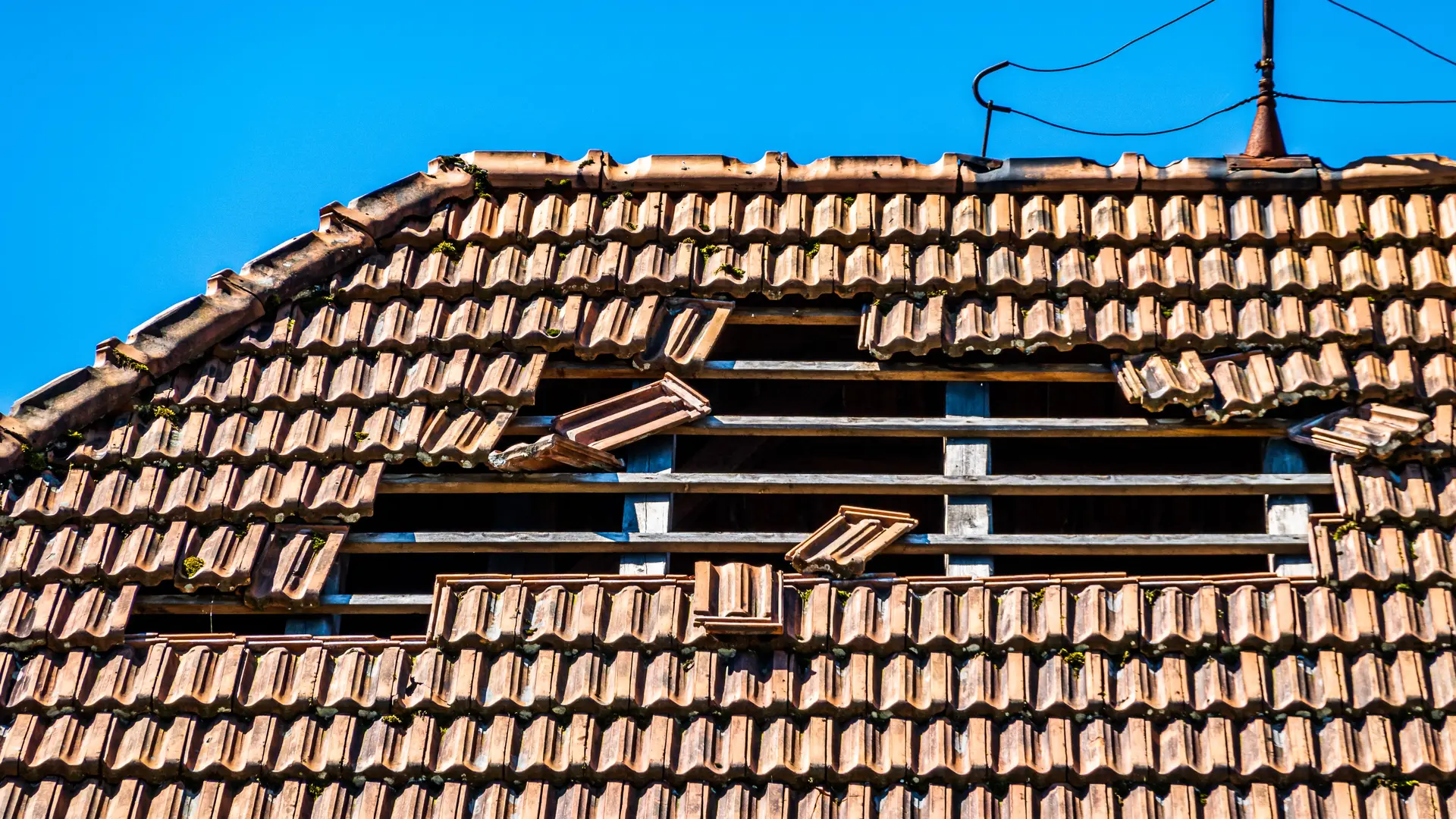
A new roof is the right answer when repairs no longer hold: tiles that keep slipping, battens that have rotted, or an old felt layer that has perished and lets water through every winter. Ashlar Roofing strips the existing covering back to the rafters and rebuilds the roof in layers, with a breathable membrane, treated battens, the tile or slate you choose and mechanically fixed ridges and verges. The result is a roof that sheds water reliably, resists wind uplift and suits the age and style of your property.
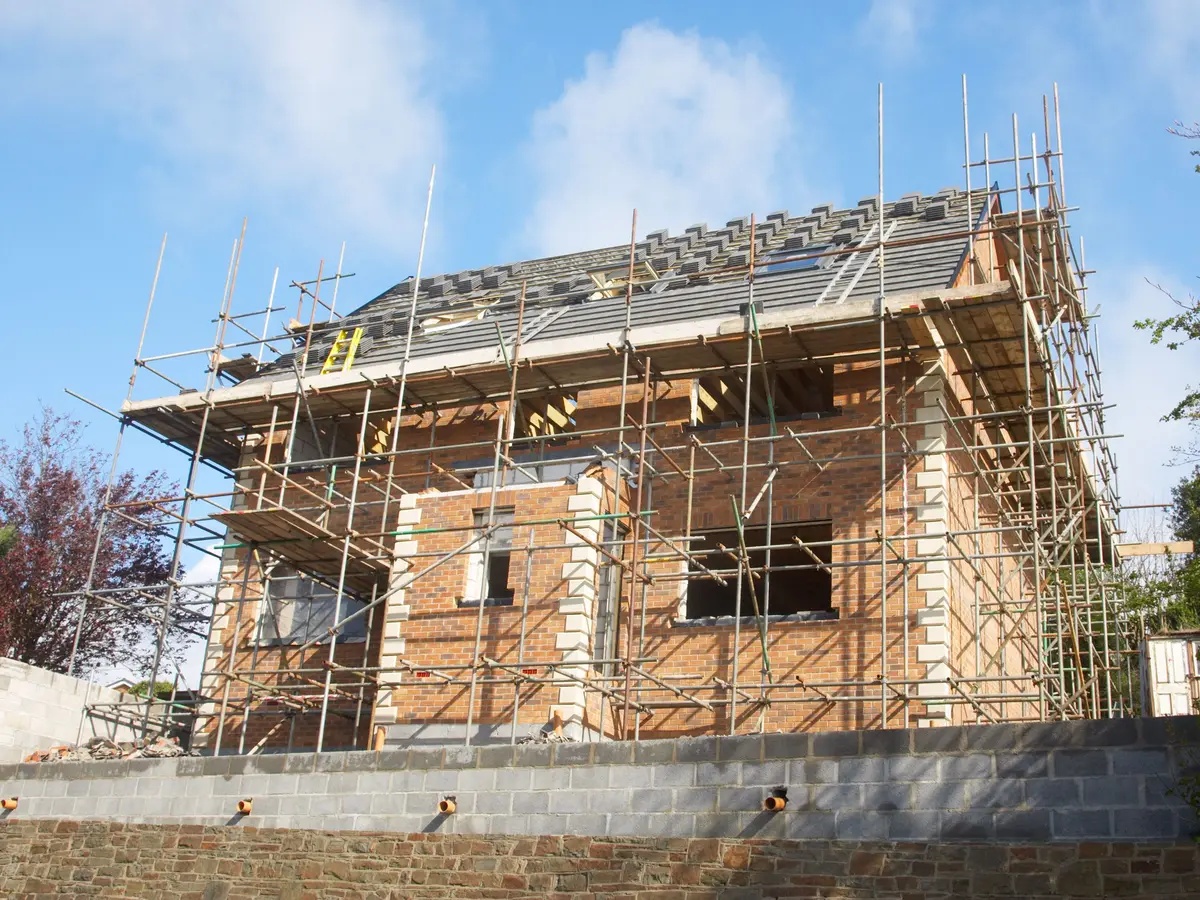
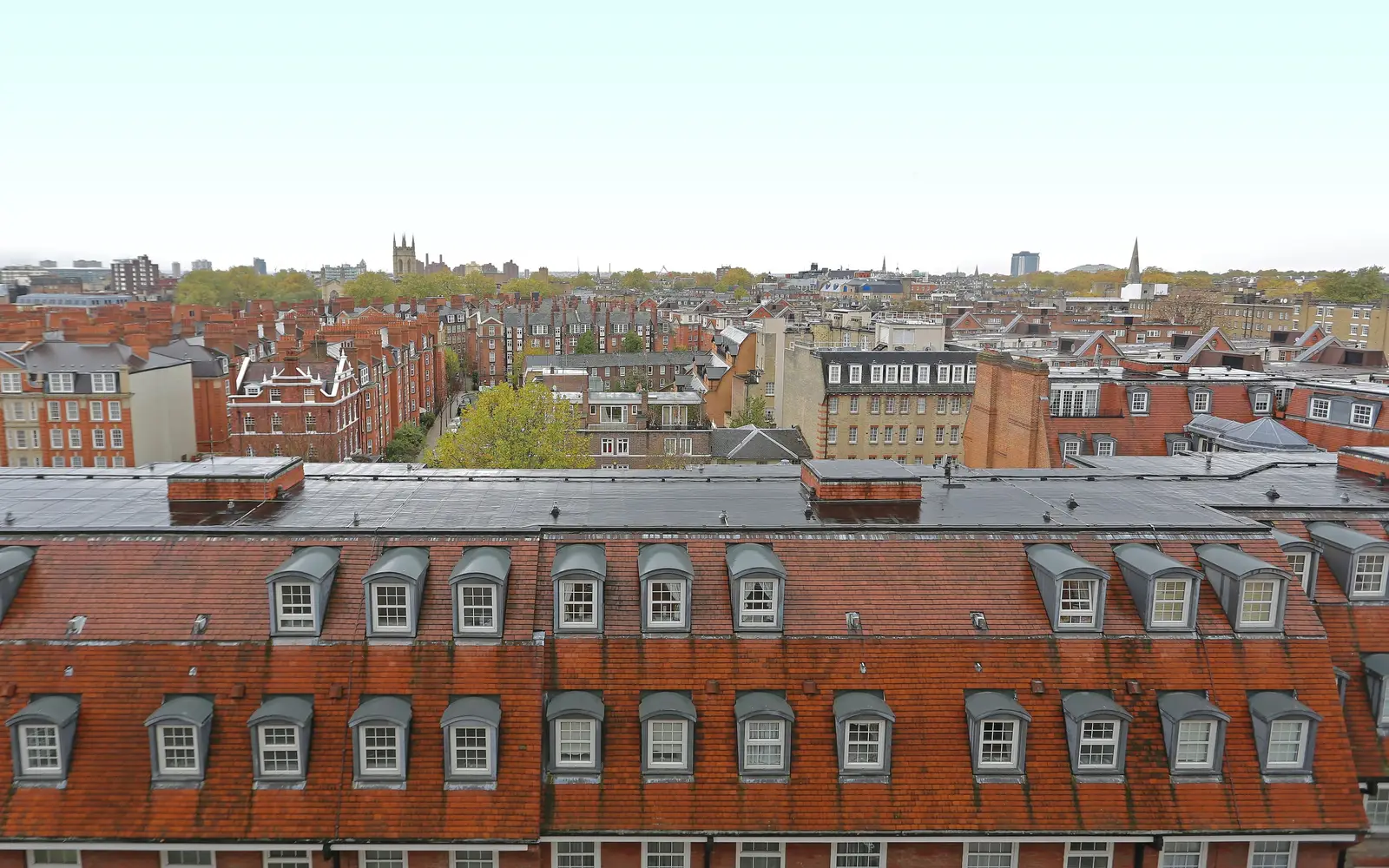
We fit new roofs on houses, flats and commercial buildings across Greater London, from Victorian terraces in natural slate to post-war semis in concrete interlocking tiles. Before anything is stripped, we inspect the roof structure, discuss the material options with you and set out the scope in writing. Leadwork, chimneys, fascias and guttering can be handled at the same time, which means the full roof is covered by one firm and the scaffolding only needs to go up once, saving you a second set of access costs.
Types we install
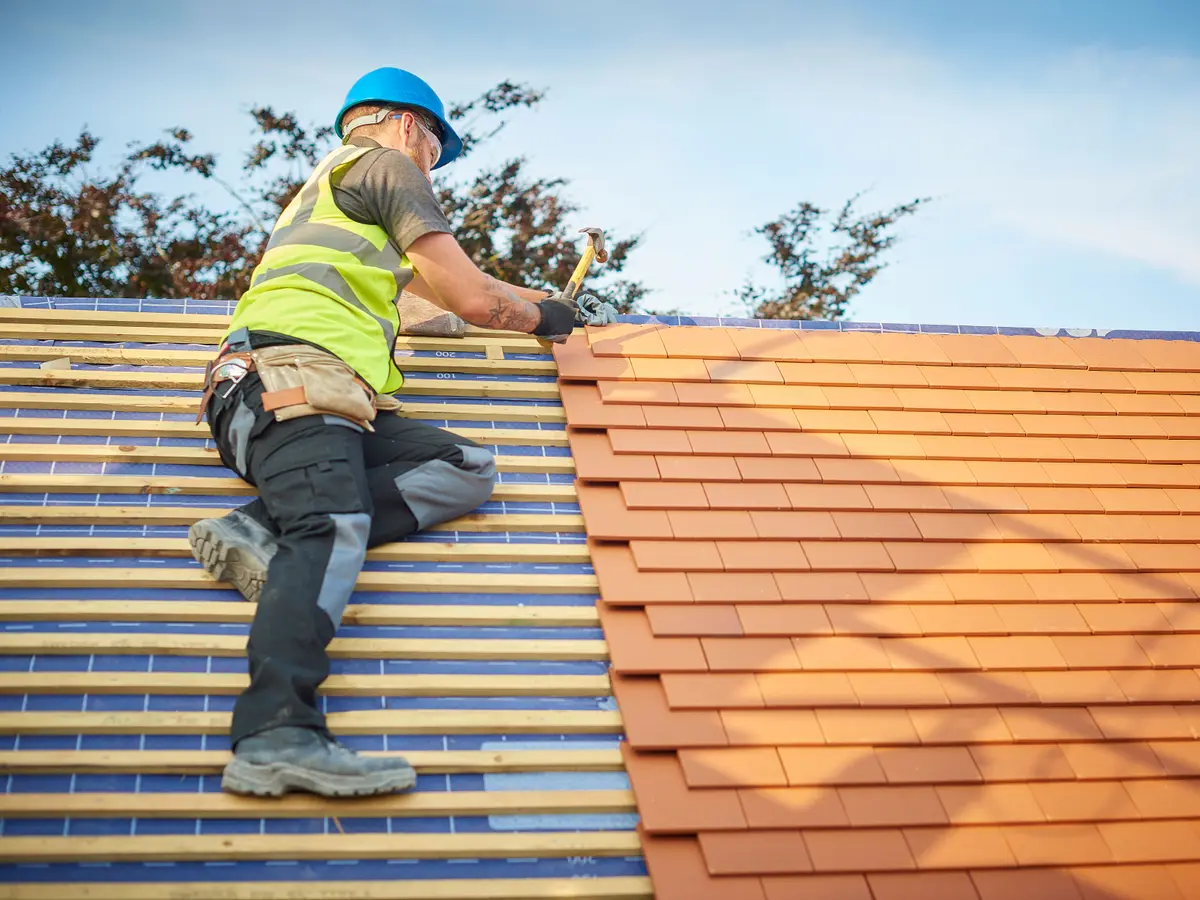
Types of New Roofs We Install
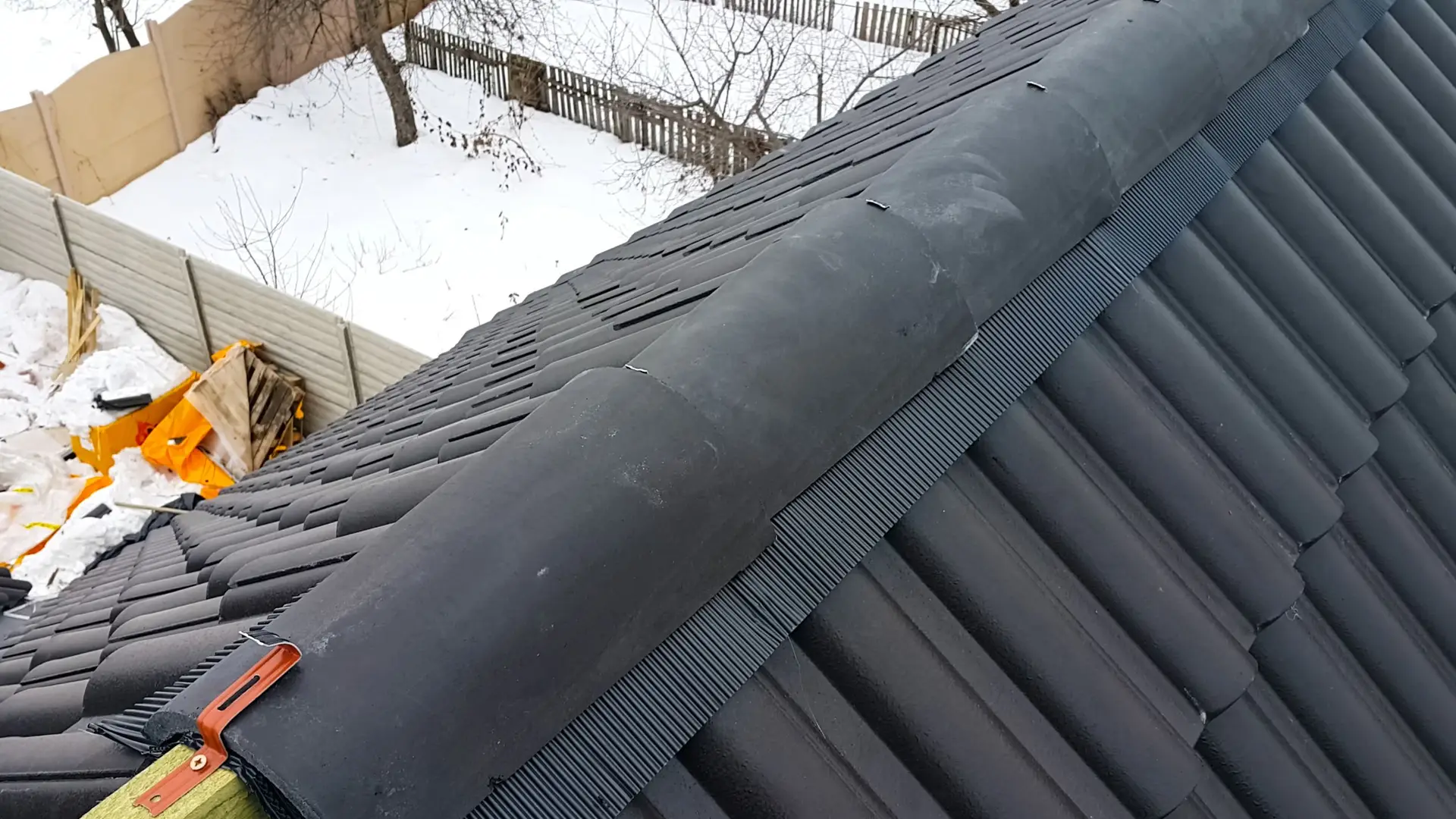
Most pitched roofs in Greater London are covered in one of a few materials. Each has its own weight, look and lifespan, and the right choice usually depends on how the house was built and what the local planning rules expect.
What's included
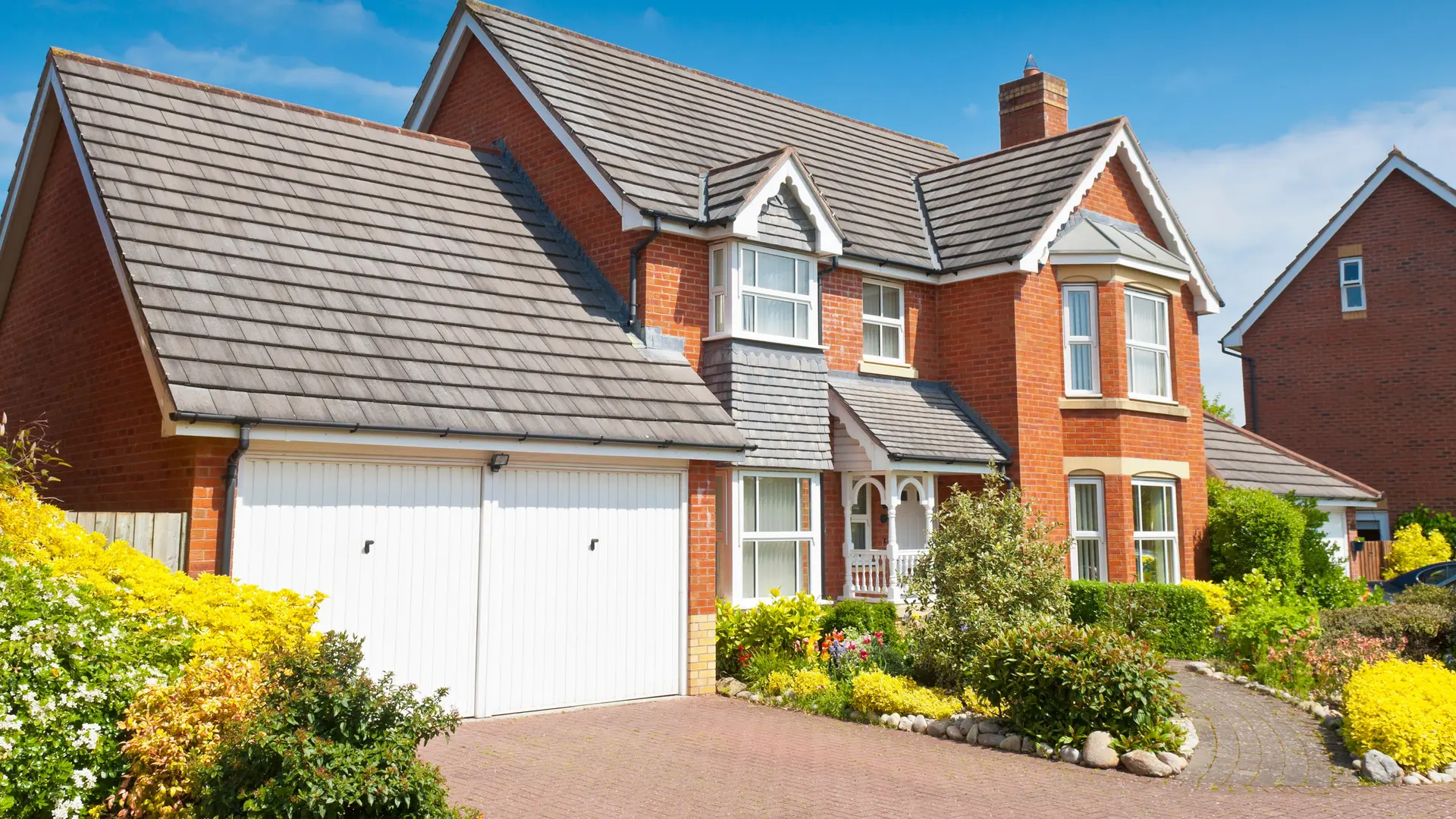
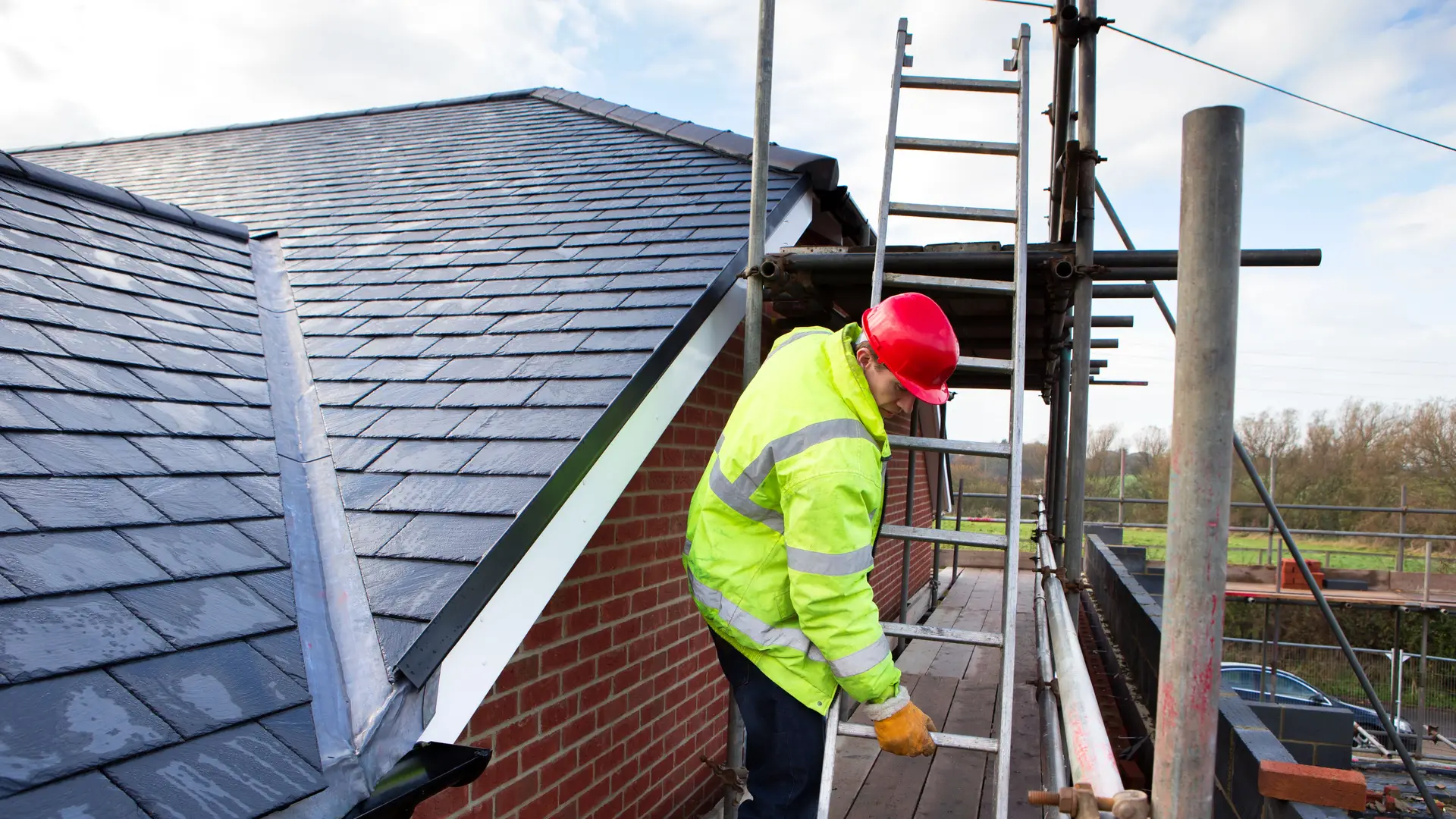
What Our New Roofs Service Covers
The main parts of the job, each listed in your quote.
- Full strip of the old covering, so hidden rot and failed felt are dealt with rather than covered over
- Breathable roofing membrane that lets moisture escape and reduces condensation in the loft
- New treated timber battens, set out to suit the tile or slate gauge for a straight, even finish
- Your choice of concrete tile, clay tile, natural slate or man-made slate to suit the property
- Dry ridge, hip and verge systems that are mechanically fixed and need far less upkeep than mortar
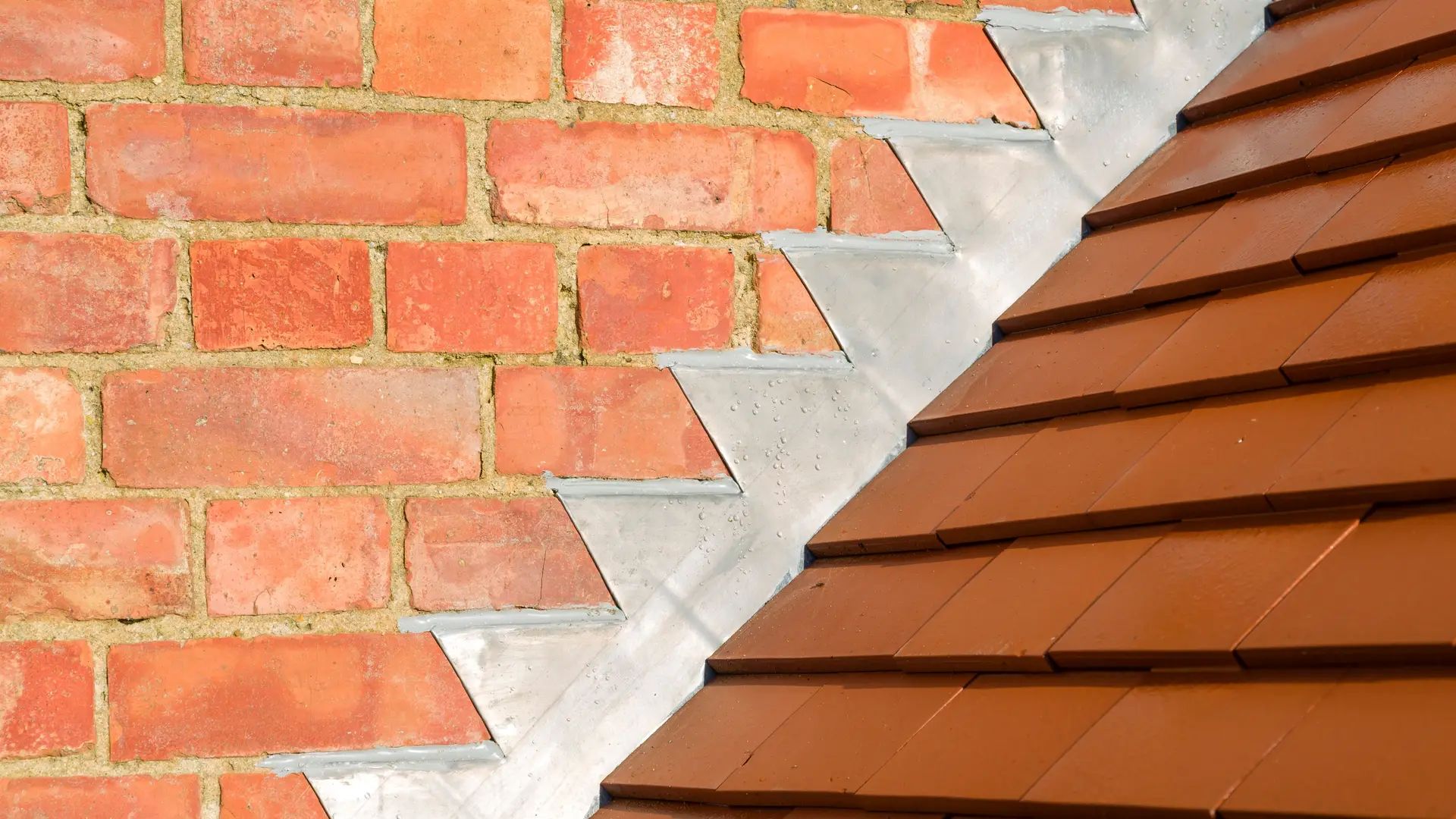
- New leadwork at chimneys, abutments and valleys so every junction stays watertight
Quotes for New Roofs across Greater London
Tell us what is happening with your roof and we will arrange a visit and a quote.
Our work
Our New Roofs Work
Why choose us
Why Choose Ashlar Roofing for New Roofs
The Whole Roof, One Firm
Tiling, leadwork, chimneys and roofline can all be handled together, so you deal with a single contractor from strip to completion.
Material Advice You Can Use
We explain how concrete, clay, natural slate and man-made slate compare on weight, appearance and lifespan, so you choose with the facts in front of you.
Current Fixing Methods
Tiles and slates are fixed to the pattern their manufacturer specifies, and ridges and verges are mechanically secured rather than bedded in mortar alone.
Agreed Scope and Price
You receive a written quote agreed before work starts. Anything found once the roof is opened up is discussed with you before it is carried out.
About Ashlar Roofing
One Roofing Firm for the Whole Roof
Ashlar Roofing works on houses, flats and commercial premises across Greater London. Pitched roofs, flat roofs, chimneys, leadwork and roofline are all handled by the same firm, so you have one contact for the whole job.
Emergency call-outs
Leaks and storm damage prioritised
Pricing
What Affects the Cost of New Roofs
The cost of a new roof depends mainly on the following:
- The size and pitch of the roof, and how many hips, valleys and dormers it has
- The covering you choose, from concrete tile through to natural slate
- The condition of the rafters and how much timber repair is needed once the roof is stripped
- Scaffolding needs, including access over neighbouring properties or busy roads
- Extra work such as chimney repairs, new leadwork, fascias or guttering
The work
How We Carry Out New Roofs
The main stages of the job, from the first inspection to the final check.
Survey and Specification
We inspect the rafters, chimneys and junctions, then agree the material, ventilation and detailing with you in writing.
Strip and Repair
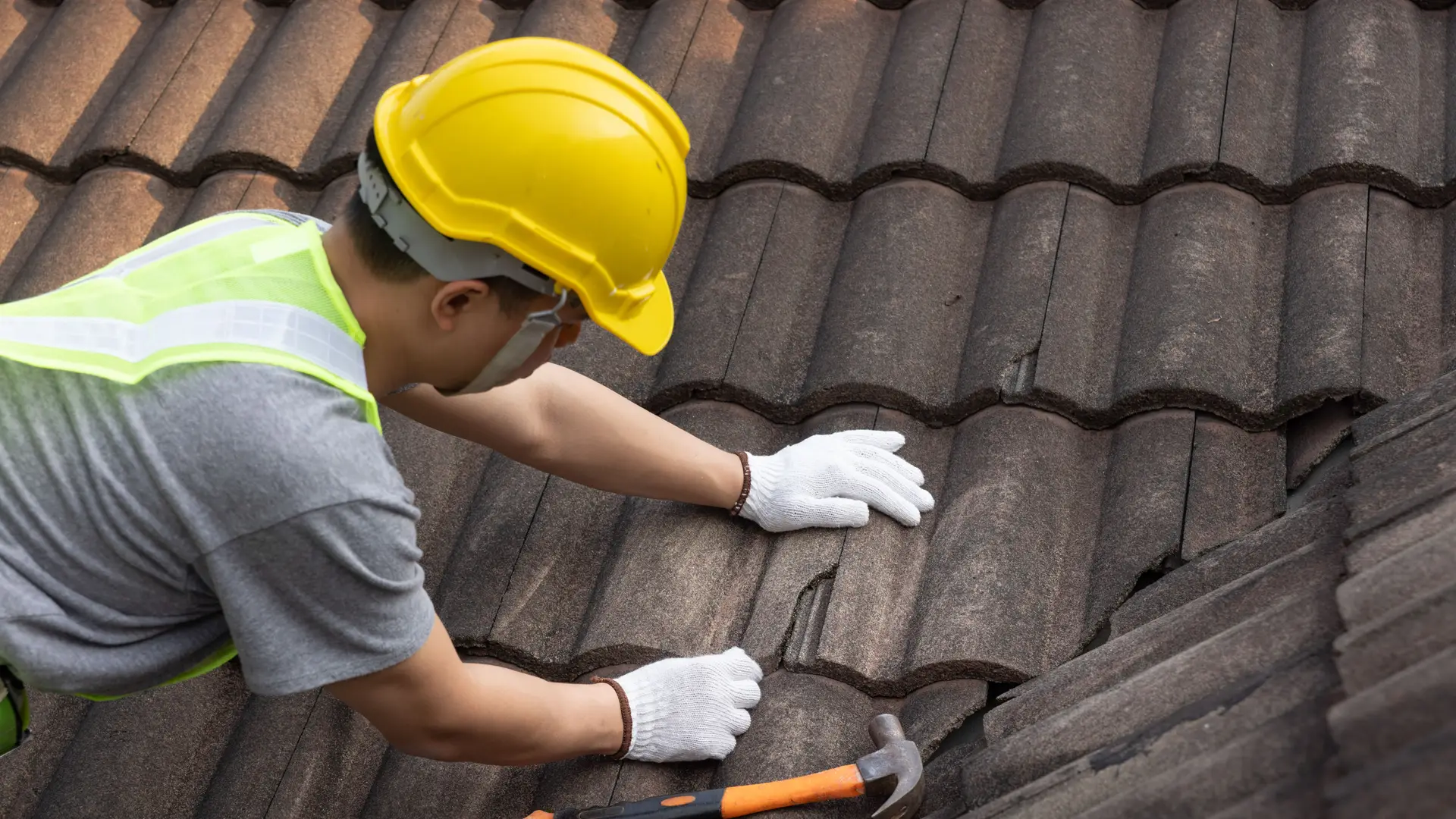
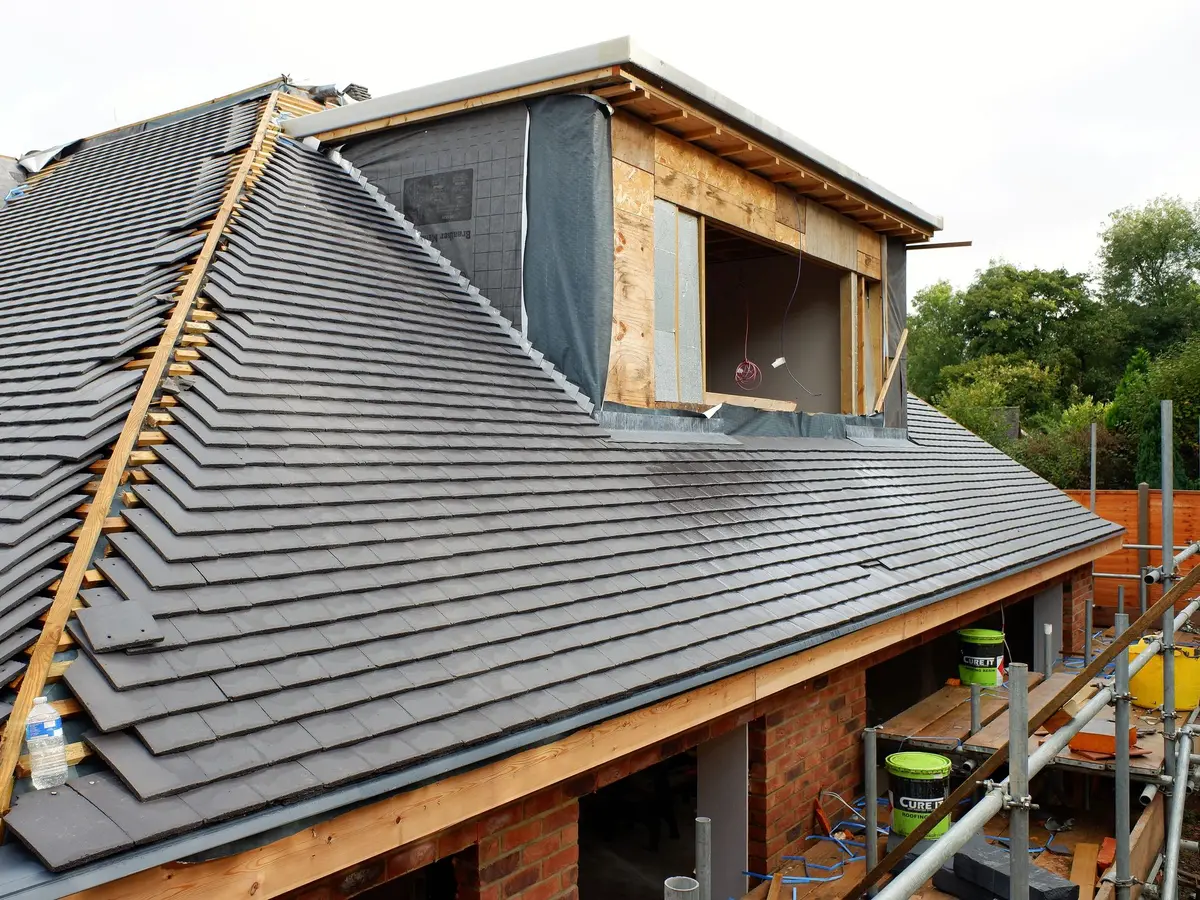
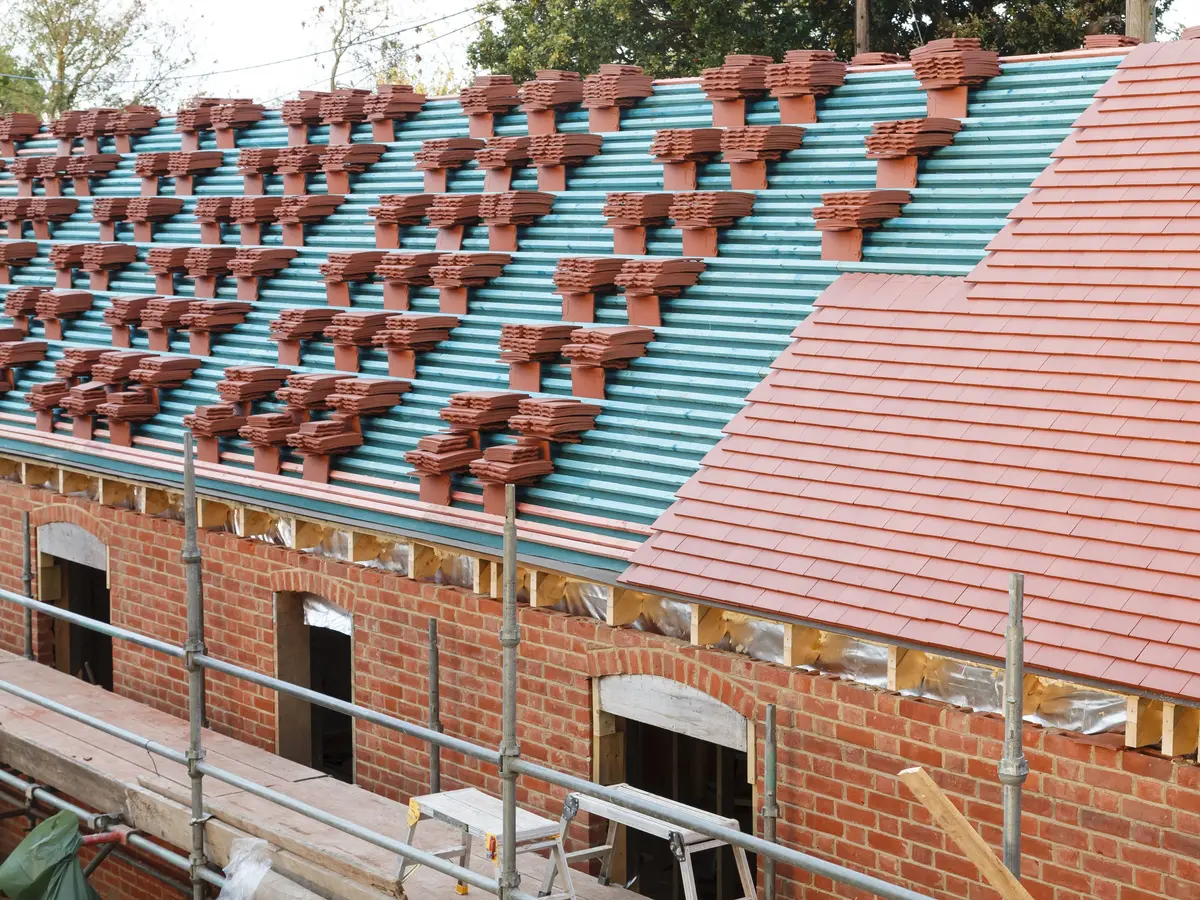
The old covering, battens and felt are removed in sections. Any weak or rotten timbers are repaired or replaced before the new layers go on.
Membrane, Battens and Covering
A breathable membrane and new battens are fixed, then the tiles or slates are laid and nailed or clipped to the pattern the manufacturer specifies for your roof's exposure.
Ridges, Leadwork and Handover
Ridges, hips and verges are mechanically fixed and flashings are dressed in. We then review the completed work with you and confirm everything has been done as agreed.
FAQs
Common Questions About New Roofs
Do I need planning permission for a new roof?
Does a re-roof need building regulations approval?
How long does it take to re-roof a house?
Can we stay in the house while the roof is replaced?
Which lasts longer, tiles or slate?
Still Have a Question?
If your question is not answered here, get in touch and we will discuss it with you. You can also send photos on WhatsApp.
Get in touchAreas we cover
New Roofs across Our London Areas
We carry out new roofs across Greater London. Choose your area:
Related services